

There is a great deal of discussion at the moment about “British values”. The phrase is used often, and in many different contexts, but rarely is it clearly defined.
Yet if you step back and look at the built environment around us, those values are already there. Not written down, not debated, but physically embedded in the buildings that have stood for generations.
Walk through any historic town or village in the UK and you will see it. Proportion, restraint, durability, and above all, a respect for materials and method. These are not accidental qualities. They are the result of a way of building that placed long-term integrity ahead of short-term convenience.
In that sense, our built heritage may be one of the clearest expressions of what British values actually are.
A Tradition of Doing Things Properly
Historic buildings were not designed to meet minimum standards. They were designed to last.
Materials were chosen because they were appropriate, not because they were cost effective in the short term. Details were resolved properly, not simplified for ease of manufacture. And crucially, there was a clear understanding that how something was made mattered just as much as how it looked.
This is the difference between authenticity and imitation.
Today, we are seeing more and more examples of what can only be described as manufactured authenticity. Products that replicate the appearance of traditional design, but not the substance behind it.
They are designed to resemble, not to replicate. To satisfy a visual requirement, rather than a material or technical one.
And in many cases, they are being specified not because they are right for the building, but because they are right for the budget.
The Quiet Erosion of Standards
This is where the conversation around values becomes more tangible.
Because what is happening in the heritage sector is not dramatic or obvious. It is gradual. Incremental. A series of small decisions that, over time, begin to shift the standard of what is considered acceptable.
A detail is simplified. A material is substituted. A product is approved because it “looks the part”
Each decision, in isolation, may seem reasonable. But collectively, they represent a slow drift away from the principles that defined the original buildings in the first place.
This is authenticity by marketing, not by making, and once that line is crossed, it becomes increasingly difficult to return to a position of genuine conservation.
Cost, Influence, and Specification
It would be naive to ignore the role that cost plays in all of this. Budgets matter. Projects have constraints.
But there is also another factor at work: influence.
When large manufacturers invest heavily in marketing, editorial, and industry engagement, they shape the conversation. They define what is seen as innovative, acceptable, and even authentic
Over time, this creates a shift in perception. Products that would once have been seen as compromises begin to be viewed as credible alternatives.
This is not necessarily a failure of architects or conservation officers. It is the result of a landscape where the loudest voice is often the most visible.
But it does raise an important question. Are we specifying based on what is right for the building, or what has been most effectively presented to us?
Heritage Is Not Just a Style
One of the most important distinctions to make is that heritage is not an aesthetic.
It is not something that can be applied as a surface treatment or replicated through proportion alone.
Heritage is a combination of material, method, and intent.
It is about using the right materials, in the right way, for the right reasons. It is about understanding that a detail is not just there to look correct, but to perform over decades.
When those principles are lost, what remains may still look convincing, but it is no longer true to the building.
It becomes, at best, an approximation.
Reasserting What Matters
If British values are to mean anything in the context of the built environment, they must be rooted in substance, not appearance.
They must reflect a commitment to doing things properly. To choosing materials that will endure. To respecting the methods that have proven themselves over time.
Because in conservation, there are no shortcuts. Only consequences, and the buildings we leave behind will ultimately reflect the decisions we make today.
The Responsibility of Specification
For architects, specifiers, and conservation professionals, this places a clear responsibility.
Every product specified, every detail resolved, contributes to the long-term integrity of the building.
This is not about rejecting innovation. It is about ensuring that innovation does not come at the expense of authenticity.
It is about recognising the difference between a product that looks right, and one that is right.
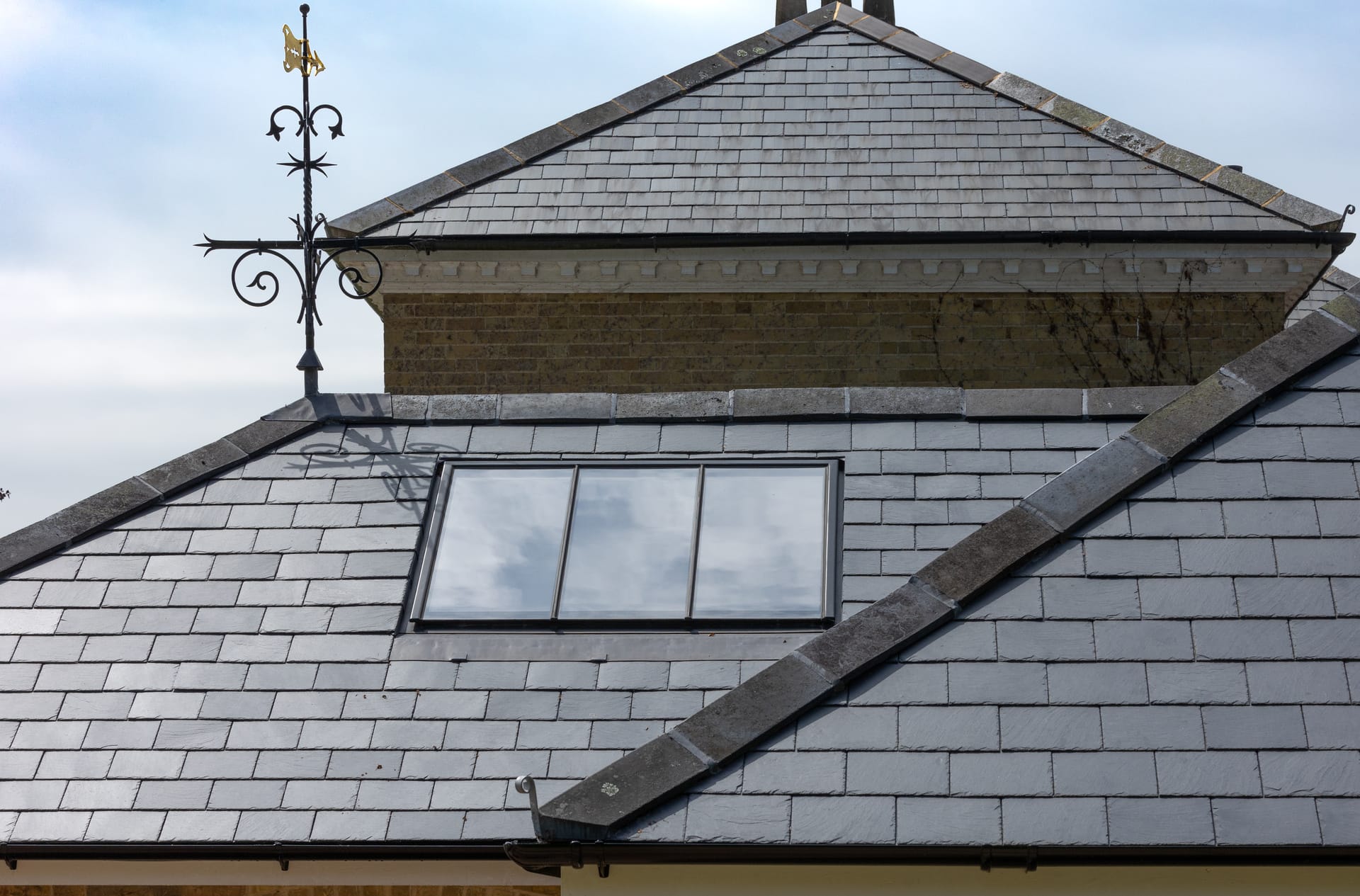
Because you are not just specifying a rooflight. You are defining the integrity of the building.


